
Metabolic Surgery for diabetes and metabolic syndromes
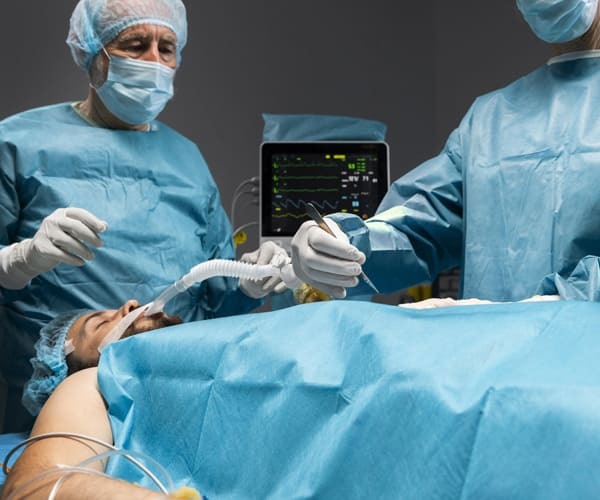
Metabolic Surgery for Diabetes and Metabolic Syndromes
As a revolutionary and successful treatment option for Type 2 Diabetes and metabolic diseases linked to obesity, we at Lords Hospital provide advanced metabolic surgery. By modifying particular gastrointestinal tract segments, these procedures seek to restore the body’s inherent ability to control blood sugar and metabolism. Better glucose regulation, increased insulin sensitivity, and a marked decrease in dependency on diabetes drugs are the outcomes.
Metabolic Surgery
Detailed Treatment Plan

01
Comprehensive Pre-surgical Assessment
Every patient is carefully assessed to ascertain eligibility and to devise the best course of action:
- Detailed metabolic profiling (HbA1c, lipid levels, insulin resistance tests)
- Endocrinology consultation to assess diabetes control and hormonal factors
- Cardiac and renal function screening to ensure surgical safety
- Nutritional and psychological evaluation to prepare for long-term lifestyle adjustments
02
Personalized Surgical Planning
The surgical team chooses the best minimally invasive procedure based on the patient's condition, comorbidities, and body composition:
- Laparoscopic Sleeve Gastrectomy (LSG): Reduces stomach size to improve hormonal balance and satiety.
- Roux-en-Y Gastric Bypass (RYGB): Alters food passage to enhance insulin sensitivity and glucose metabolism.
- Mini Gastric Bypass (MGB): Combines the benefits of restriction and mild malabsorption for sustained metabolic correction.
- Keyhole techniques are used for each procedure, which leads to smaller incisions, less pain, and a quicker recovery.
03
Surgery and Immediate Post-operative Care
Every patient is carefully assessed to ascertain eligibility and to devise the best course of action:
- Procedures are carried out in a fully equipped laparoscopic suite using advanced imaging and precision tools.
- Post-surgery, patients are closely monitored in a high-dependency unit to ensure optimal recovery.
- Early mobilization and fluid management begin within hours of surgery.
04
Post-Surgical Rehabilitation and Lifestyle Integration
The recovery program is managed by a dedicated metabolic care team:
- Dietary guidance focusing on nutrient-rich, small meals to support healing.
- Gradual physical activity plan supervised by physiotherapists.
- Regular follow-up for glucose monitoring and medication adjustment.
- Behavioral counseling to maintain long-term health and prevent relapse.
Long-Term
Benefits
- Significant improvement or remission of Type 2 Diabetes
- Reduction or discontinuation of insulin or oral hypoglycemics
- Enhanced cardiovascular, hepatic, and renal health
- Improved mobility, energy levels, and quality of life